Higher education is going through a quiet but powerful transformation. Universities are no longer just physical campuses with classrooms, libraries, and laboratories. They are becoming digitally connected ecosystems where technology shapes how students learn, collaborate, and access resources.

Across institutions in regions like the United Arab Emirates, United States, and United Kingdom, universities are investing in AI, Internet of Things (IoT), and secure network infrastructure to create what is now known as the Smart Campus.
But behind the buzzword lies a clear objective: improving the student experience, operational efficiency, and institutional security.
The Rise of the Smart Campus
A smart campus integrates advanced technologies to make academic environments more intelligent, responsive, and connected. From smart classrooms to digital identity systems, universities are deploying solutions that streamline operations and enhance learning experiences.
Students today expect more than just lecture halls and textbooks. They expect:
- Seamless digital learning platforms
- Reliable high-speed Wi-Fi across campus
- Smart classrooms with connected devices
- Mobile access to academic and administrative services
To meet these expectations, universities are adopting AI-powered analytics, IoT-enabled facilities, and cloud-based campus management systems.
AI Is Personalizing the Learning Experience
Artificial intelligence is rapidly becoming a core part of the academic ecosystem. Universities are using AI to analyze student engagement, learning patterns, and academic performance.
These insights allow institutions to:
- Identify students who may need academic support
- Deliver personalized learning pathways
- Automate administrative processes
- Improve decision-making through data analytics
AI-driven platforms also support virtual assistants, automated scheduling, and predictive analytics, helping universities operate more efficiently while improving student outcomes.
IoT Is Transforming Campus Operations
The Internet of Things (IoT) plays a major role in building smart campuses. Connected sensors and devices are now embedded across university environments.
Examples include:
- Smart lighting and energy management systems
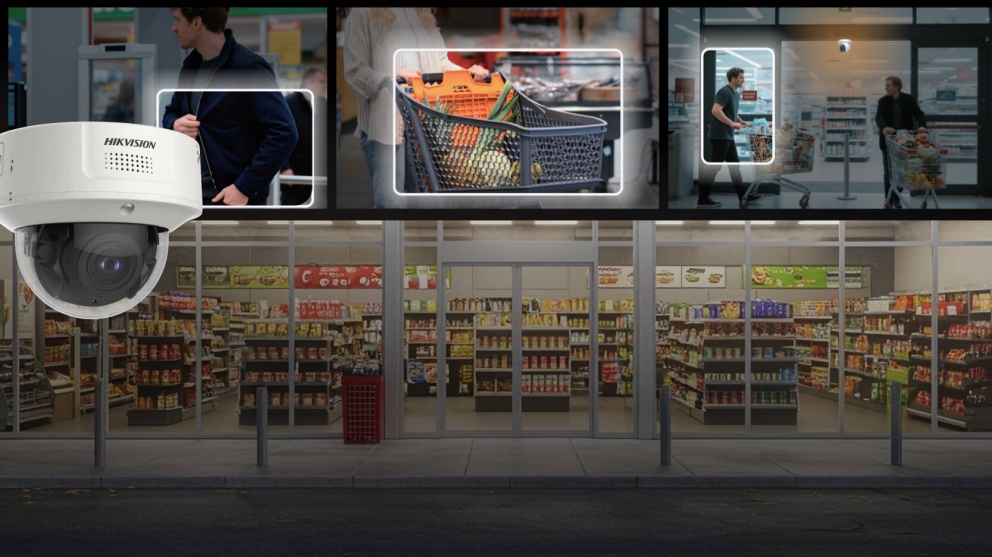
- Connected security cameras and surveillance systems
- Occupancy sensors in classrooms and libraries
- Smart parking and campus navigation systems
These technologies help universities optimize energy consumption, enhance campus safety, and improve resource utilization.
However, as thousands of connected devices enter the network, infrastructure complexity increases significantly.
Why Secure Network Infrastructure Is Critical
A modern university network must support tens of thousands of simultaneous connections from students, faculty, IoT devices, and research systems.
Without a robust network architecture, institutions face serious challenges such as:
- Wi-Fi congestion in lecture halls and dormitories
- Security vulnerabilities from unmanaged devices
- Network downtime affecting online learning platforms
- Data exposure involving student and research information
This is why universities are prioritizing high-density Wi-Fi, software-defined networking, and next-generation cybersecurity frameworks.
A secure network foundation enables institutions to implement identity-based access control, network segmentation, and real-time threat monitoring, ensuring that sensitive academic data remains protected.
The Strategic Importance of Smart Campus Infrastructure
Smart campus initiatives are not just technology upgrades; they are strategic investments that influence institutional competitiveness. Universities that successfully integrate AI, IoT, and secure networks are better positioned to attract students, support advanced research, and deliver innovative learning experiences.
For IT leaders and university administrators, the priority is clear: build a scalable, secure, and future-ready digital infrastructure that supports the evolving needs of modern education.
As higher education continues its digital evolution, the universities that invest in intelligent, secure, and connected campuses today will define the future of learning tomorrow.

.png)