Five Stars in the Lobby, One Weak Link in the Basement: Why UAE Hotels Run on Huawei Servers and Switches
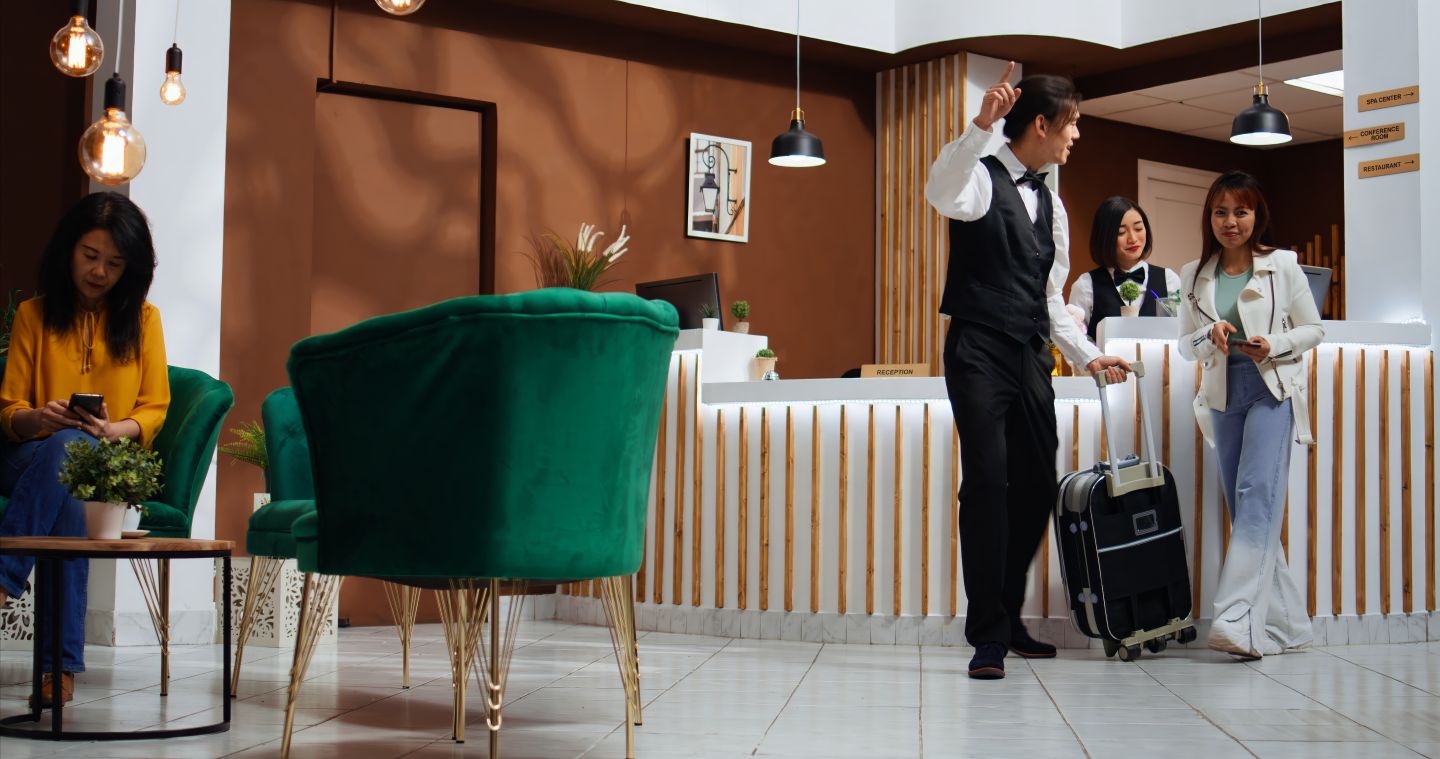
Here's a truth the hospitality industry doesn't like to say out loud: a guest will forgive as lightly small room. They will not forgive Wi-Fi that drops during a videocall, a check-in queue caused by a frozen system, or a key card that won't open the door at midnight.
The five-star experience your guests judge you on isn't decided in the lobby. It's decided in a server room most of them will never see, and on the network switches quietly carrying every booking, every payment, every streamed movie and every security camera in the building.
In the UAE, where the bar for hospitality is among the highest on earth, that hidden layer isn't a back-office detail. It's the foundation the whole guest experience stands on. And increasingly, the operators getting it right are building that foundation on Huawei servers and switches.
The UAE doesn't do hospitality at half-measures
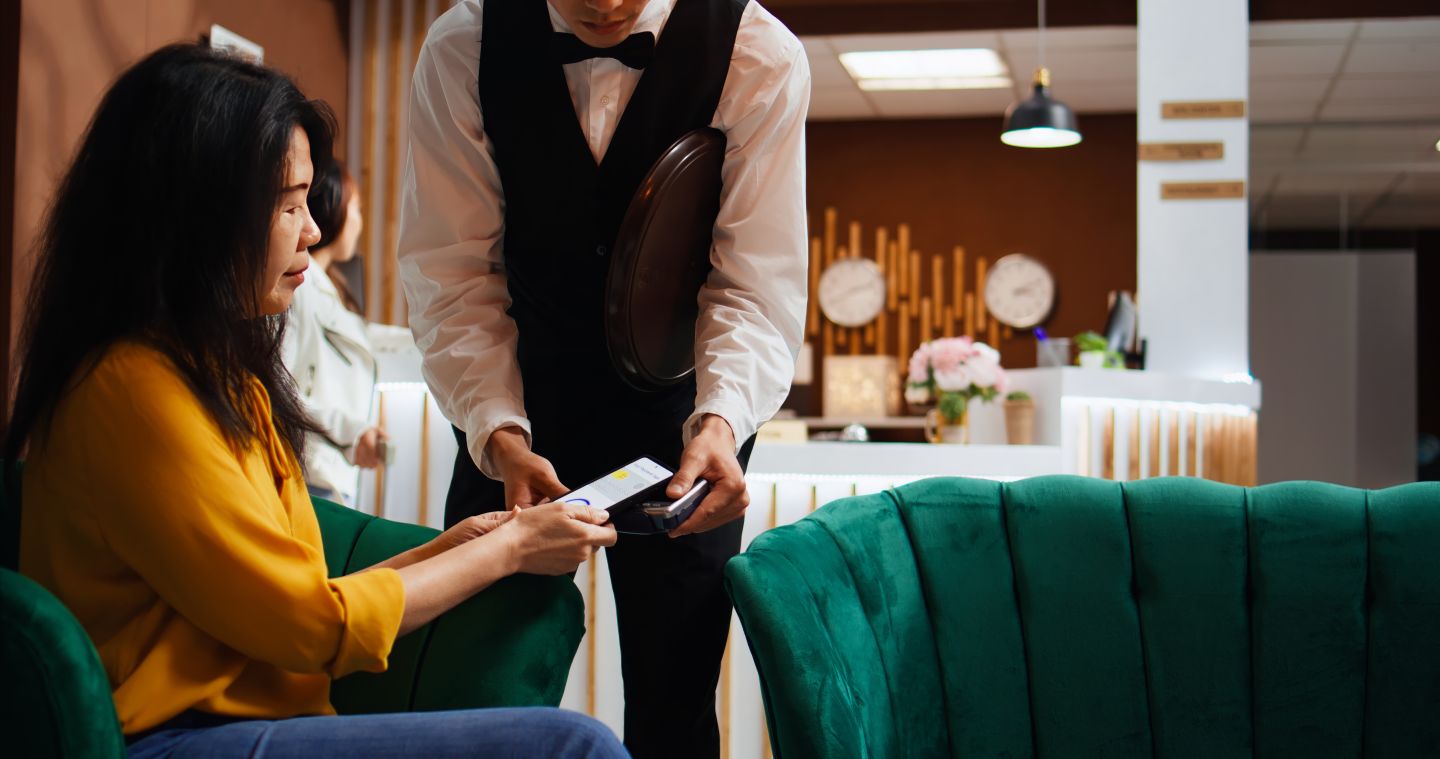
The numbers explain the pressure. The UAE welcomed a record 32.3 million hotel guests in2025, with hotel revenues climbing to roughly AED 49.2 billion and average occupancy holding at a remarkable 79.3% figures the Emirates Tourism Council ranks among the highest in the world. The country now has over 1,240 hotel establishments and more than 217,000 rooms, with Dubai'sD33 agenda and the Tourism Strategy 2031 pushing toward 40 million annual guests.
Translation: hotels here run hot, year-round, at near-full capacity. There is no quiet season to hide a system failure in. When 79% of your rooms are occupied every night, "the network's a bit slow today" isn't an inconvenience it's a stream of bad reviews and lost rebookings.
What's actually running on your hotel's network
When people picture hotel IT, they think of guest Wi-Fi. That's the tip of the iceberg. A modern UAE property runs all of this over the same physical backbone:
- Property Management System (PMS): check-in, check-out, billing, every reservation
- Point of Sale (POS): restaurants, bars, spa, retail
- Guest Wi-Fi and IPTV: hundreds of devices streaming simultaneously
- VoIP phones: in every room and across operations
- CCTV and surveillance: often hundreds of cameras recording 24/7
- Electronic door locks and access control
- Building management: HVAC, lighting, energy system
Every one of those depends on two things working flawlessly: servers to run and store the data, and switches to move it. Get either wrong and the whole experience wobbles.
Why most hotel networks fail exactly when it matters
The most expensive myth in hotel IT is "our network is fine it's never gone down." It hasn't gone down yet. Most legacy hotel networks share the same hidden weaknesses:
- One flat network for everything. Guest Netflix traffic competes with your payment systems and CCTV on the same lanes. A busy evening for guests becomes a slow evening for operations.
- No redundancy. A single switch or server failure takes a whole floor or the whole property offline, usually at peak time.
- Aging hardware that can't scale. As you add cameras, smart-room features and more guest devices, the old kit simply runs out of road.
This is the problem Huawei's enterprise hardware is built to solve not with more boxes, but with a smarter, segmented, resilient backbone.
Huawei switches: the nervous system of a connected hotel
Switches are the unglamorous heroes of hospitality IT. They decide whether data flows smoothly or jams. Huawei's switching portfolio covers a hotel end to end:
Campus switches (Huawei S-series) form the everyday network across guest floors and back-of-house. They deliver Power over Ethernet (PoE), meaning a single cable powers and connects your Wi-Fi access points, IP cameras, door readers and phones, cutting installation cost and clutter. Crucially, they support network segmentation (VLANs), so guest traffic, payment systems, surveillance and building management each get their own secure, isolated lane. Guest streaming never slows down your front desk again.
CloudEngine data center switches handle the heavy lifting where your servers live. Huawei describes this range as supporting flexible networking from a few hundred to tens of thousands of connected devices, with high reliability, low latency and intelligent management built in — the kind of headroom a large resort or a multi-property group needs.
The payoff for a hotel: a network that segments traffic, powers your devices, fails over gracefully instead of going dark, and scales as you add smart-room technology.
Huawei servers: the engine room behind the experience
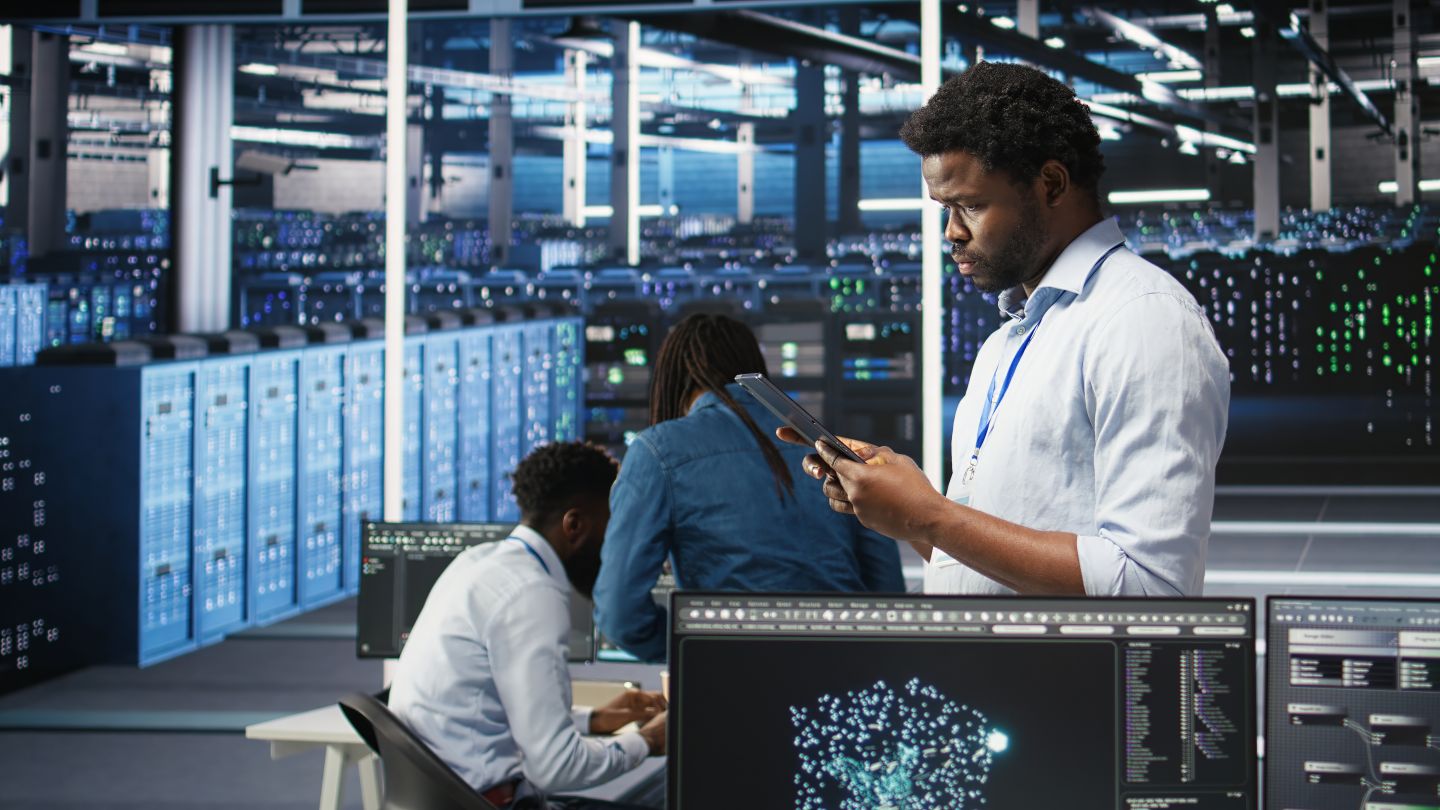
If switches move the data, servers run the show. Huawei's FusionServer rack servers are designed for exactly the mixed, always-on workload a hotel throws at them:
- Run your core systems reliably: PMS, POS and booking engines that simply cannot stutter during a check-in rush
- Consolidate through virtualization: Replace a rack of aging single-purpose machines with fewer, more powerful servers running everything as virtual machines. Less hardware, less power, less to maintain
- Store surveillance and IPTV content: Hundreds of cameras and on-demand media generate enormous data; high-capacity servers keep it accessible and protected
- Built for uptime: Redundant power and cooling designed for 24/7 operation in environments that never close
For a UAE hotel, server consolidation alone is a strong argument: lower energy draw (a real cost in this climate), a smaller footprint, and fewer points of failure.
What this looks like for a real UAE property
A Dubai business hotel segments guest Wi-Fi from its PMS and POS, so a packed conference floor never slows down reception — and a Huawei server cluster runs the whole property management stack with failover built in.
A Ras Al Khaimah beach resort spread across villas and buildings uses PoE campus switches to power Wi-Fi and cameras across the grounds on single cable runs, with a resilient core that keeps the whole estate connected.
A serviced-apartment operator, the fastest-growing accommodation class in the UAE, consolidates multiple buildings onto virtualized Huawei servers, managing everything centrally instead of maintaining separate kit at each site.
The bottom line for UAE hoteliers
Your guests will never compliment your switches. They'll never know which servers run your PMS. But they will absolutely notice when the Wi-Fi is flawless, check-in takes thirty seconds, the in-room entertainment just works, and the building feels effortlessly secure.
In a market running at 79% occupancy with the world's most demanding guests, the network behind the experience isn't where you cut corners. It's where you quietly win.
Huawei servers and switches give UAE hotels an enterprise-grade backbone that's segmented, scalable and built for round-the-clock operation. The trick is designing and deploying it for your specific property and that's where the right local partner matters.
Interdev Technology designs, deploys and manages hotel IT infrastructure across the UAE, from network switches and servers to surveillance, guest Wi-Fi and ongoing support. If your property's backbone is overdue an upgrade, that's a conversation worth having before your next peak season.
.webp)