Why Every UAE Campus Needs to Rethink Its Cisco Router Strategy
It's 8:45 AM on the first day of exams. Three thousand students are logging into the online portal at once. Two lecture halls are running hybrid classes for students joining remotely. The library's research database is pulling large datasets for a final-year project. And somewhere in the admin block, a staff member is trying to submit grades before the deadline.
This is an ordinary Tuesday on a modern UAE campus, and it's exactly the kind of moment that exposes whether a school's network infrastructure was built for today's classroom, or for one that stopped existing years ago.

The Router Is the Part Nobody Notices: Until It Fails
Most conversations about campus connectivity start and end with Wi-Fi. Faster access points, more coverage, stronger signal. All important. But none of it matters if the router behind the network can't handle the traffic those access points are generating.
Think of it this way: access points are the doors into the building. The router is the hallway everyone has to pass through to get anywhere. Widen the doors all you want — if the hallway is still built for a fraction of the foot traffic, congestion is inevitable.
For education institutions, that congestion shows up at the worst possible times: exam mornings, enrollment weeks, hybrid lecture peaks, and research crunch periods.
What Education Institutions Actually Need From a Router
Campus networks aren't like typical office networks. They carry a different kind of pressure, and that changes what "good infrastructure" looks like. A router built for education needs to handle:
- High device density. Thousands of students, staff, and IoT devices connecting simultaneously, often from the same lecture hall or residence block.
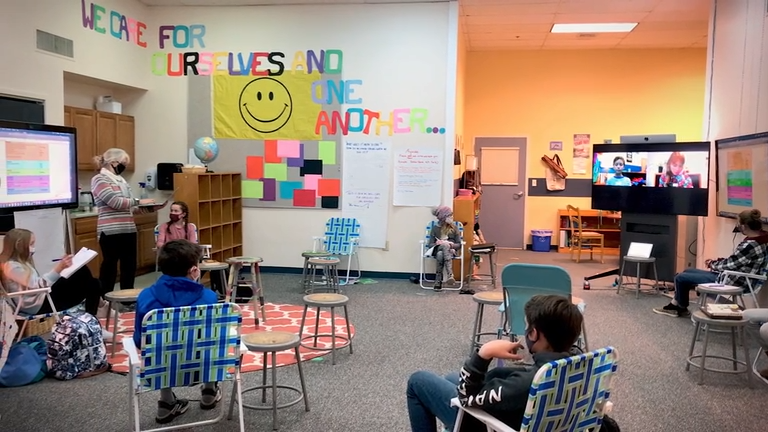
- Hybrid learning traffic. Live video streaming to remote students alongside normal classroom activity, without one degrading the other.
- Segmented, secure access. Student devices, staff systems, and administrative data need to stay logically separated, so a compromised student device can't become a doorway into sensitive records.
- Predictable performance during peak load. Exam portals and enrollment systems can't slow down exactly when they're needed most.
- Room to grow. Enrollment increases, new campuses open, and research activity expands the network should scale with the institution, not force a rebuild every few years.
This is where Cisco's approach to education networking earns its reputation. Cisco has spent over two decades working directly with schools and universities, and its education-focused infrastructure is built around the realities above rather than generic office use cases, supporting hybrid classrooms, flexible campus design, streamlined administration, and stronger security as connected priorities, not separate projects.
Why This Matters More in the UAE Right Now
UAE education institutions are under specific pressure to modernize fast. Government digital transformation initiatives, growing student enrollment, and rising parent expectations around hybrid and flexible learning all point in the same direction: campuses need infrastructure that can absorb growth without breaking.
A router that was adequate for 2019 enrollment numbers is rarely adequate for what a UAE campus is running today. And retrofitting a network after a failure — during exam season, in front of parents and regulators, is a far more expensive conversation than planning for it in advance.
The Real Question to Ask
The question worth asking isn't "how fast is our Wi-Fi?" It's "what happens to our network on the busiest day of the year?" If the honest answer involves crossed fingers, that's the gap worth closing.
Interdev Technology works with UAE education institutions to assess existing network infrastructure and design Cisco-based solutions built for real campus conditions — not brochure conditions. Whether you're planning a new campus network or troubleshooting recurring slowdowns during peak periods, the right router strategy starts with understanding your actual traffic, not just your Wi-Fi coverage map.
Ready to find out if your campus network can handle its busiest day? Let's talk.

.png)